


The Political Ecology of an Environmental Crisis in the Brahmaputra
The Brahmaputra River, a lifeline for millions across its vast basin, is facing an unprecedented environmental crisis. This photo essay delves into the intricate interplay of political, social, and ecological factors that have exacerbated this crisis. By visually documenting the river's degradation and the communities affected, the essay aims to raise awareness and advocate for urgent action to safeguard this vital waterway.
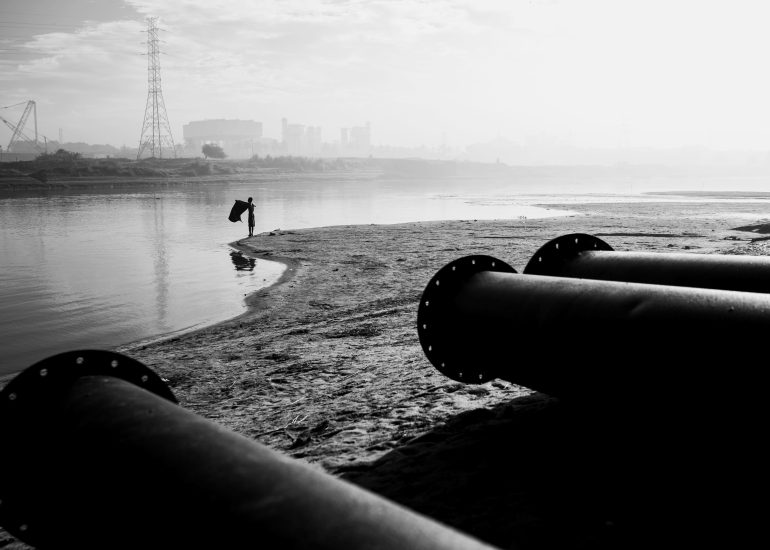
The Brahmaputra River flows through multiple countries, each with its own development priorities and water management policies. These geopolitical complexities have led to conflicting interests and tensions over water sharing, dam construction, and pollution control. The essay will highlight the political decisions that have had significant ecological consequences, such as the construction of large dams that disrupt the river's natural flow and sediment transport.
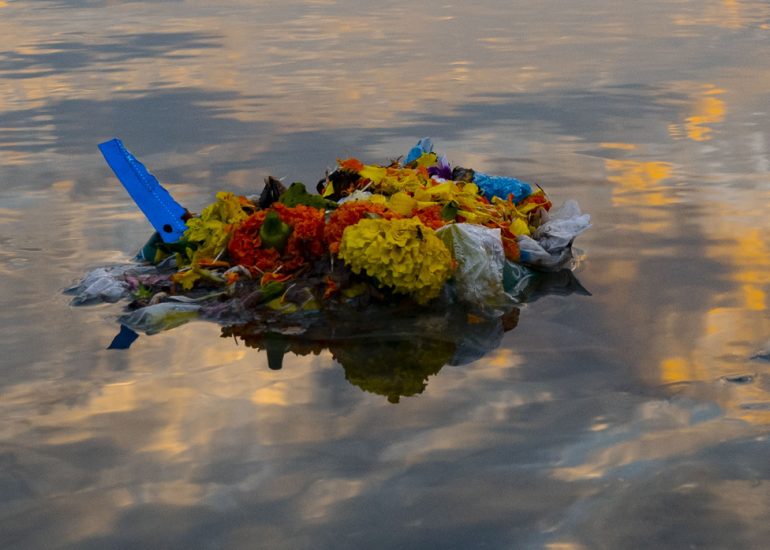
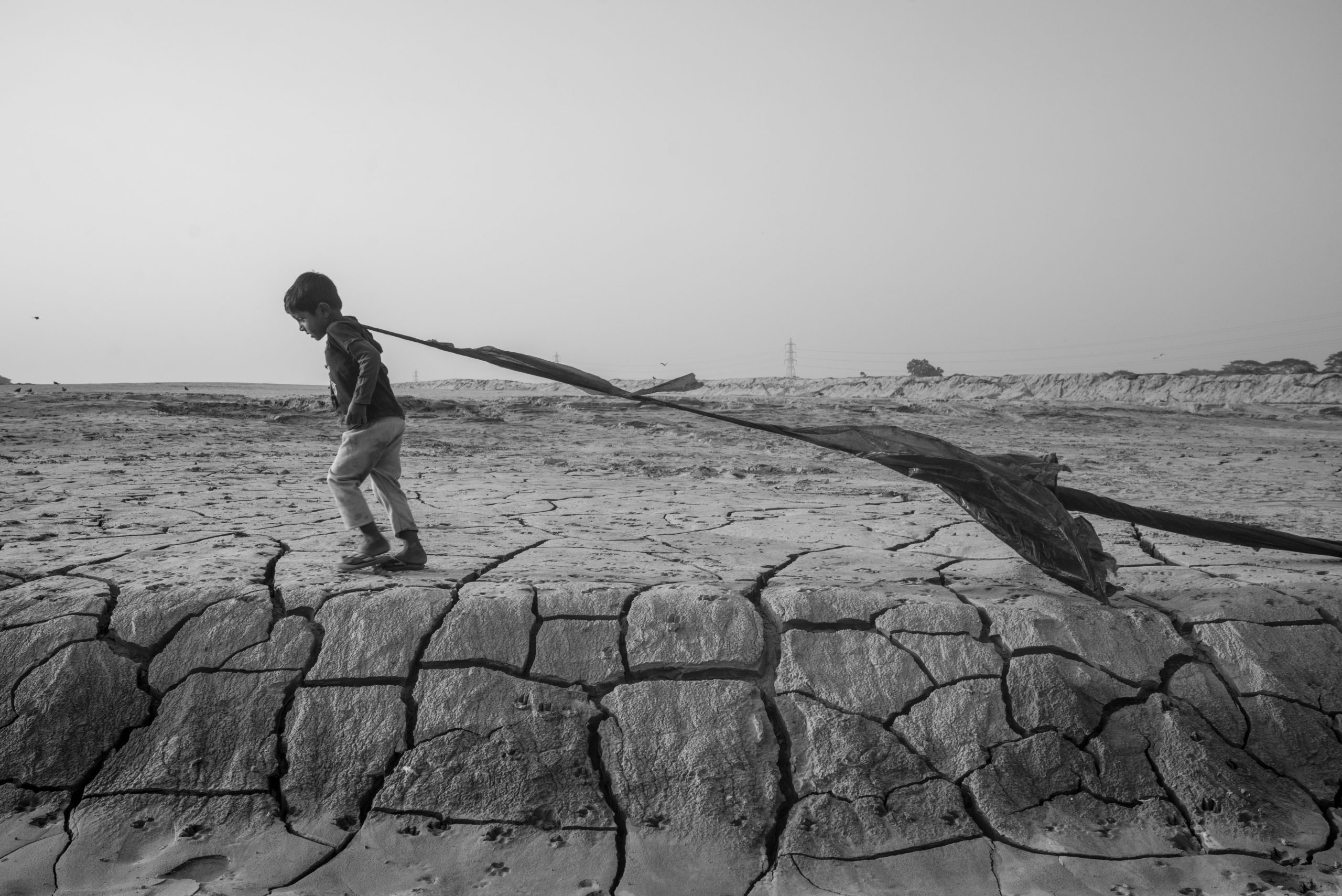
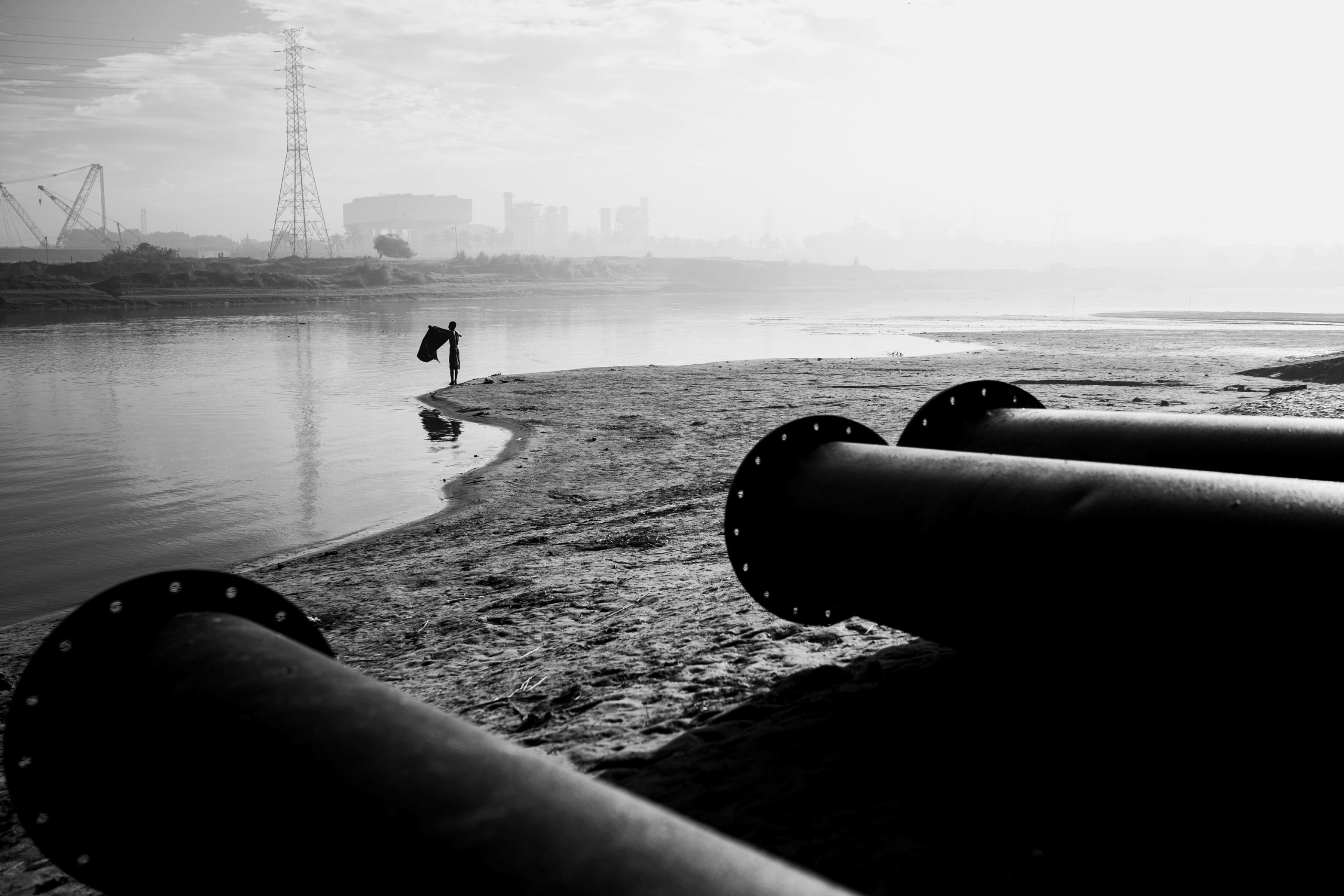
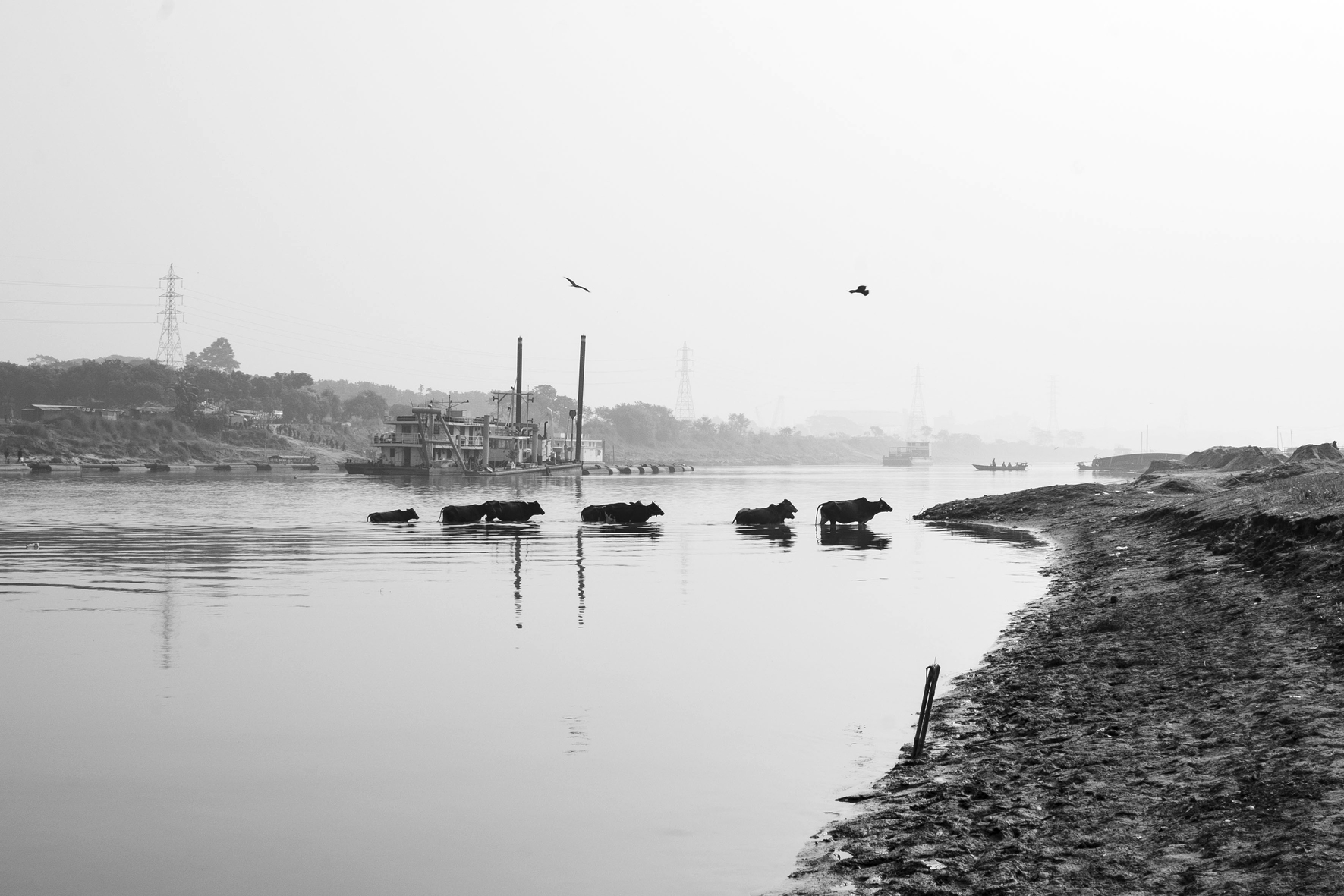
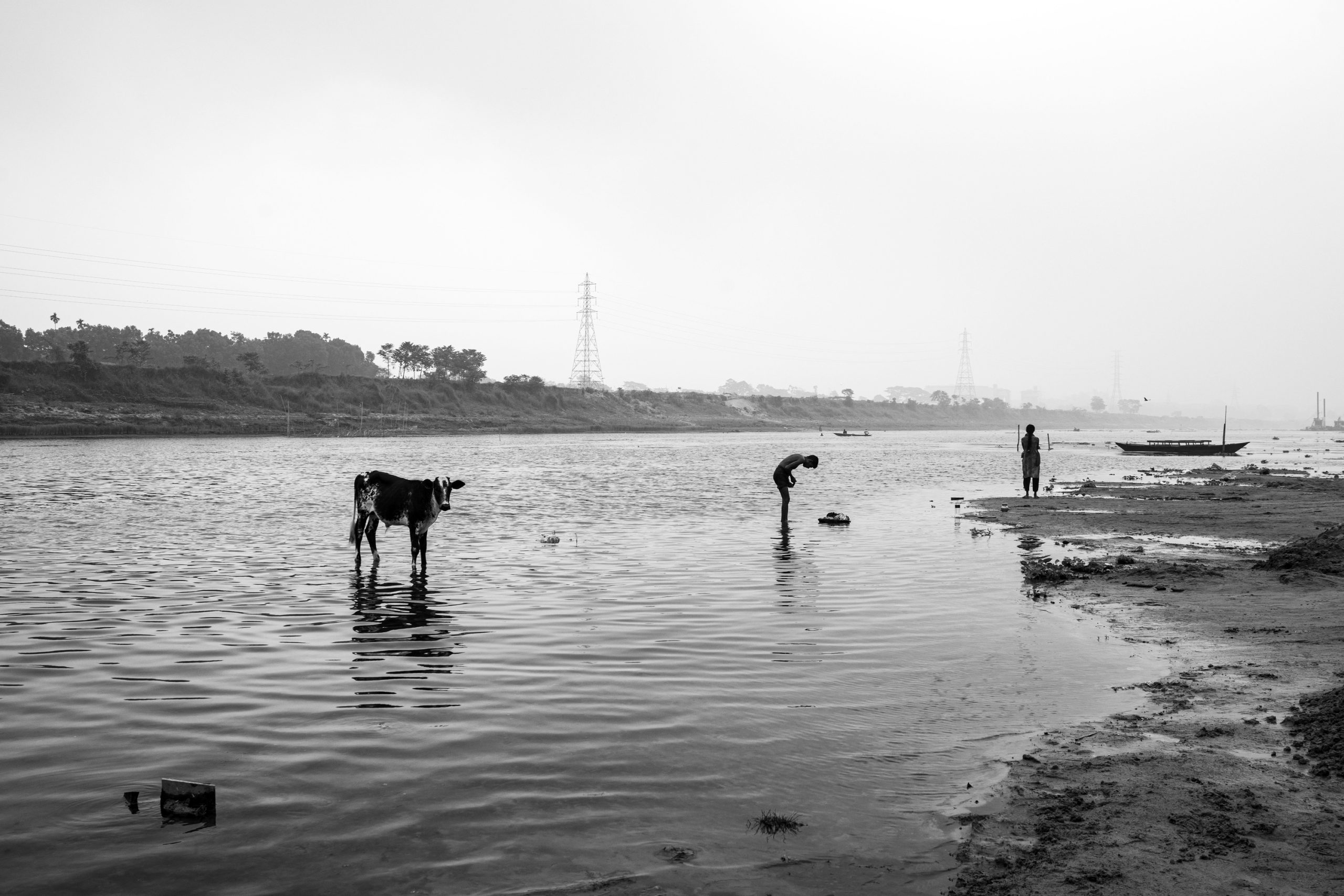
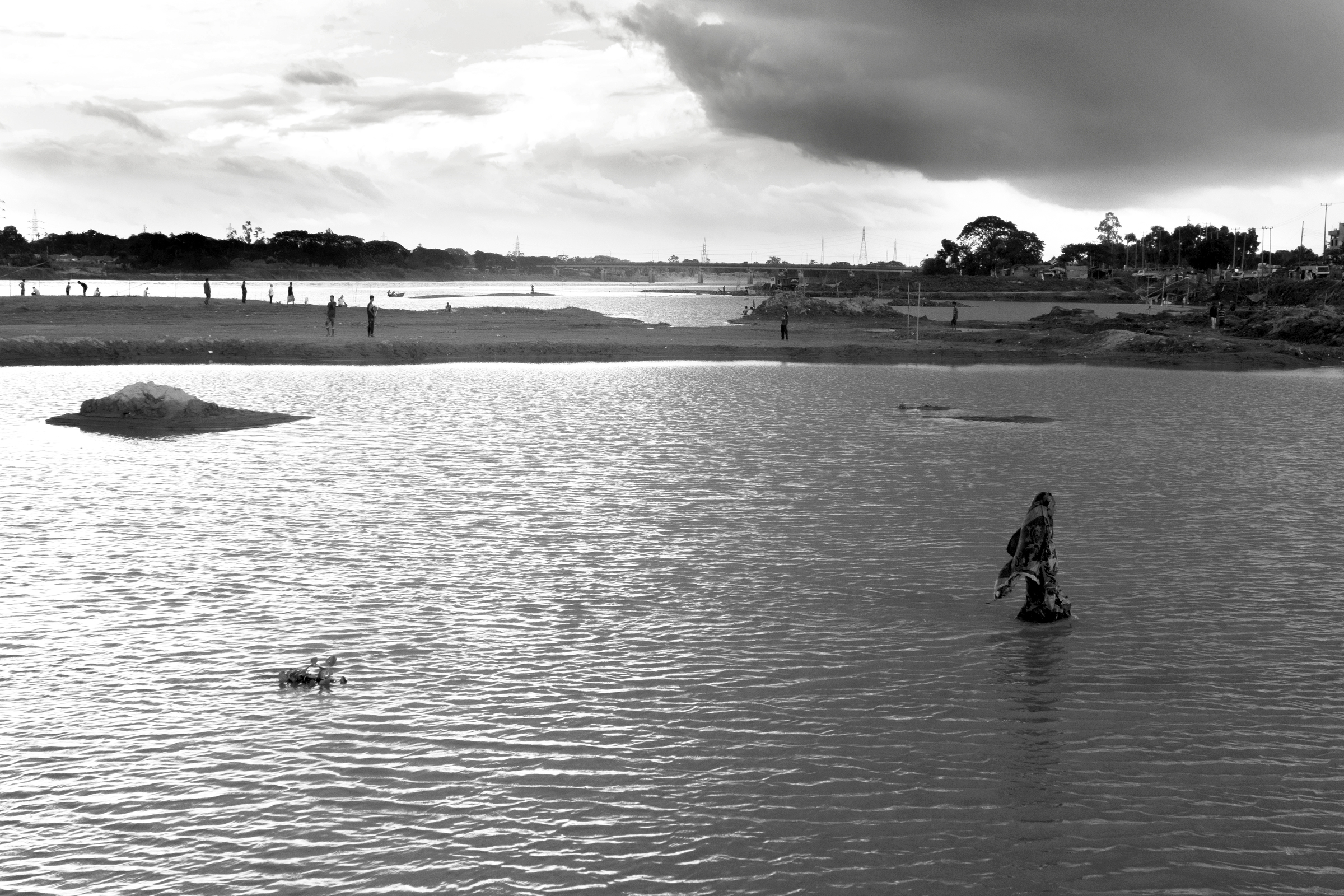
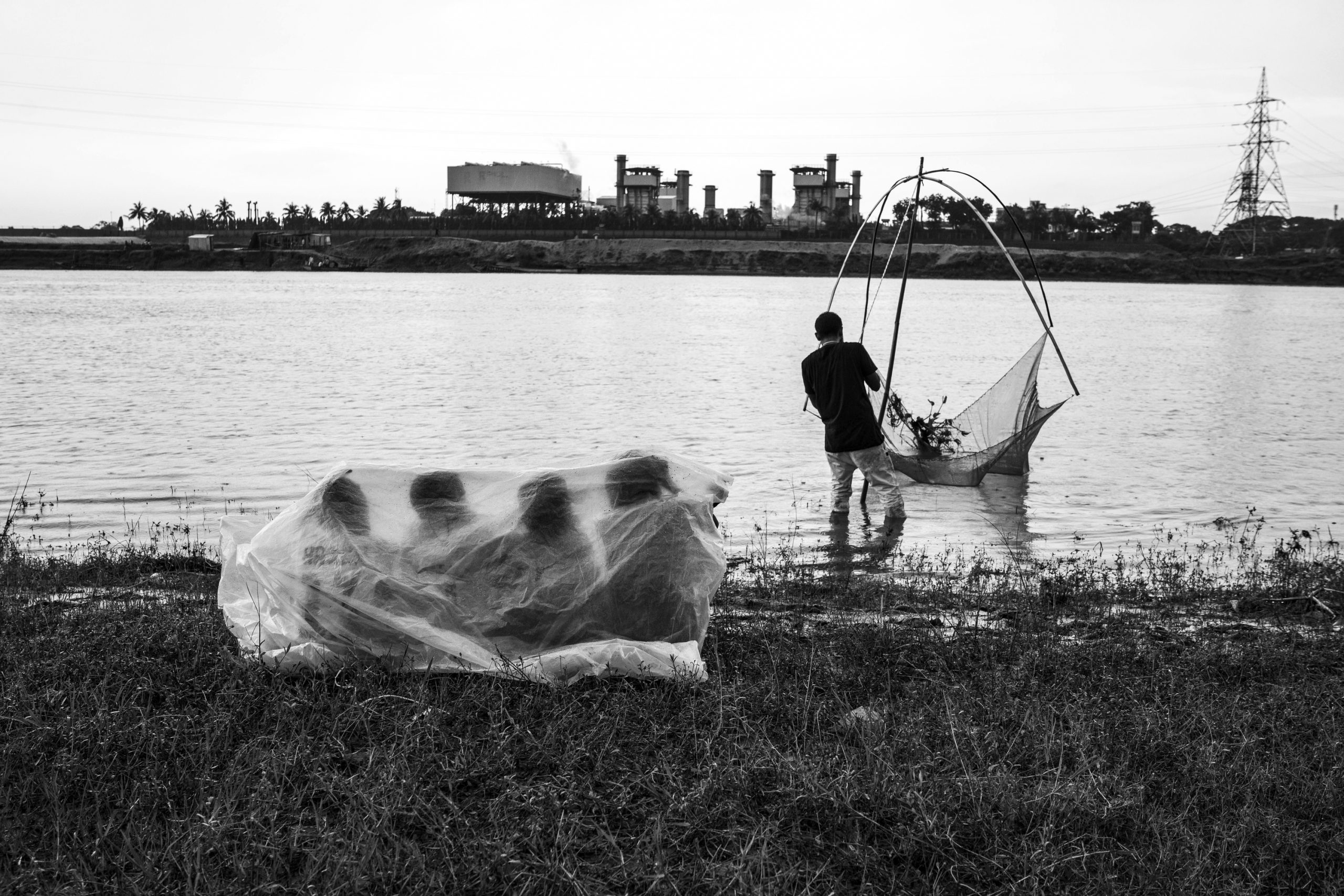
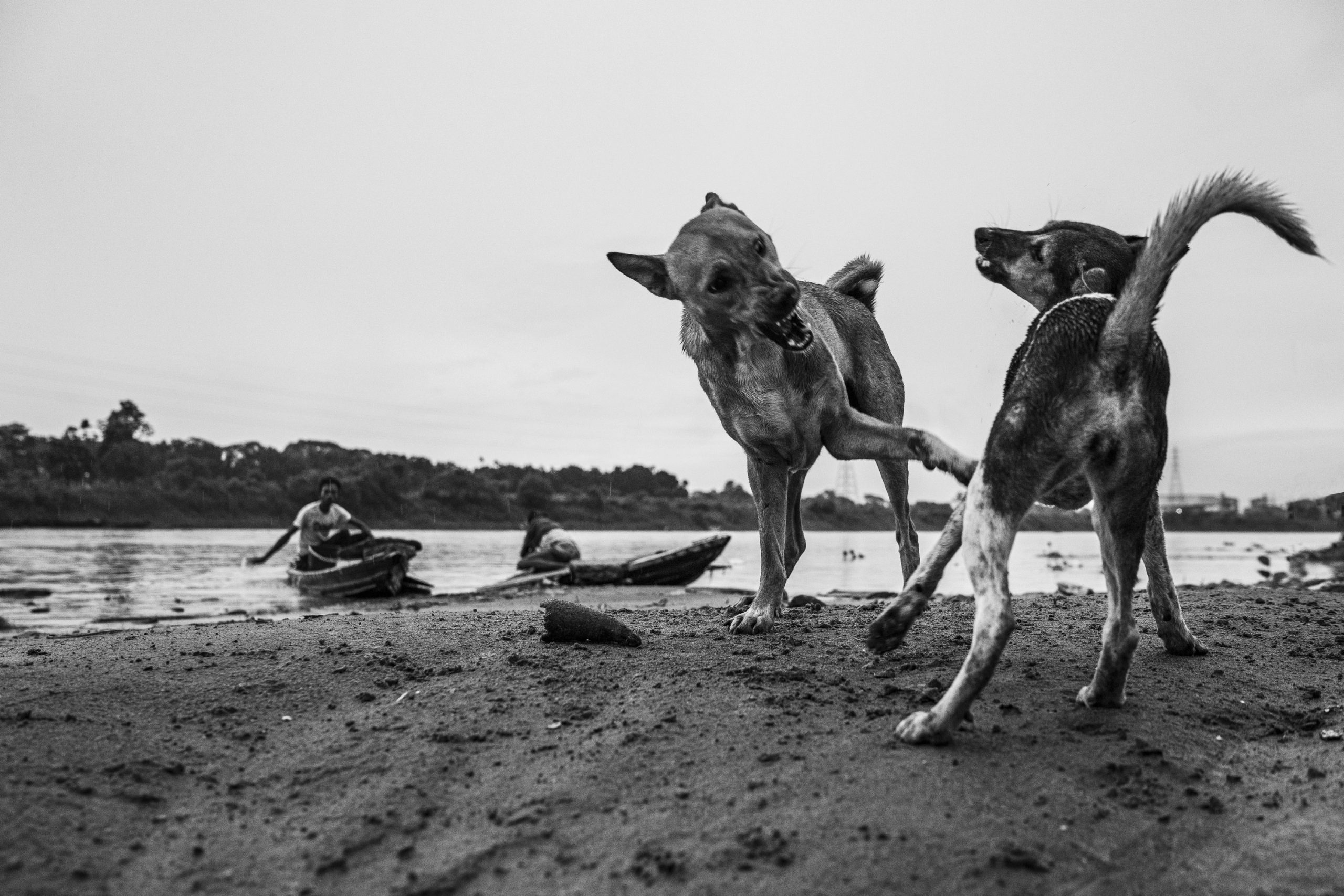
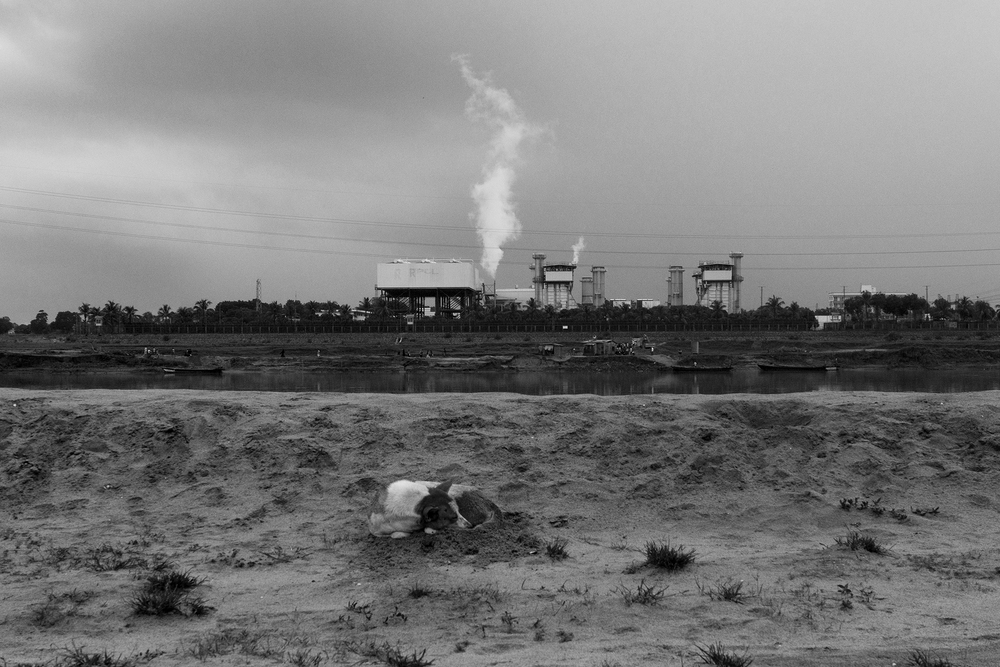
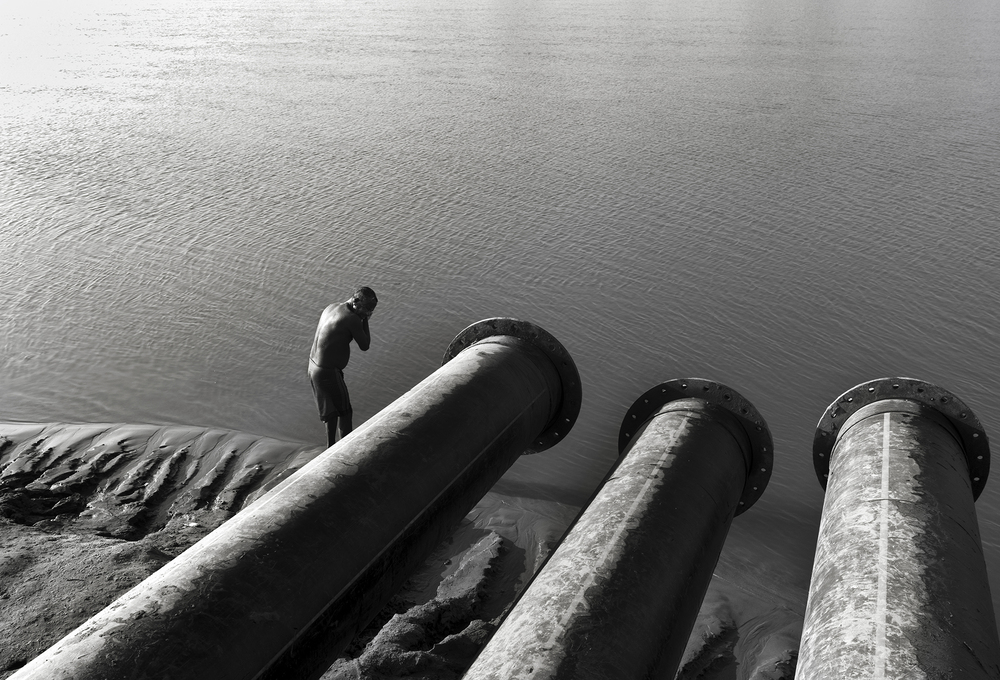
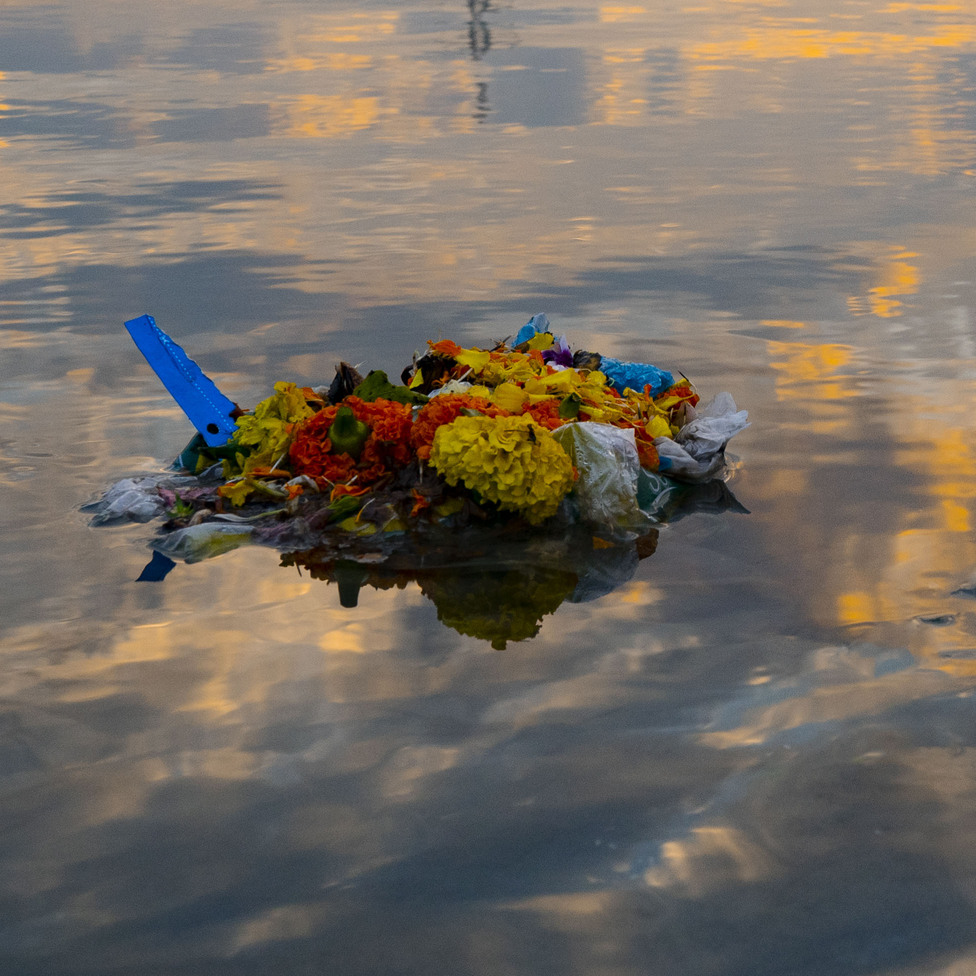
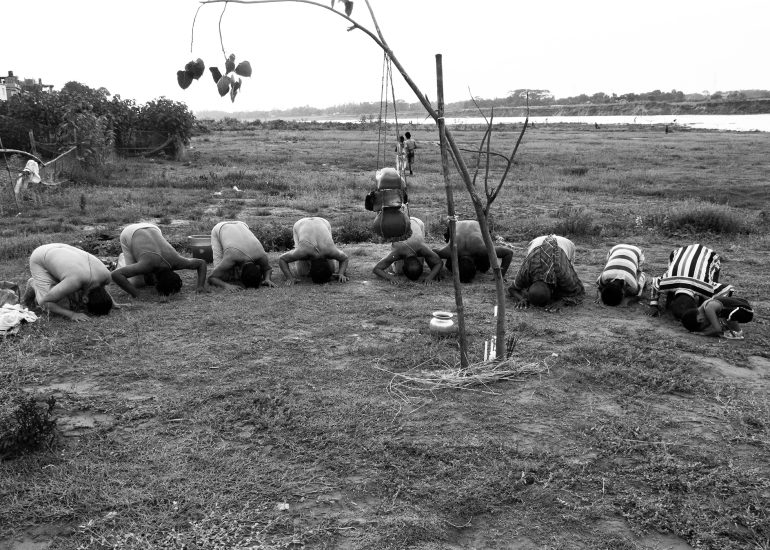
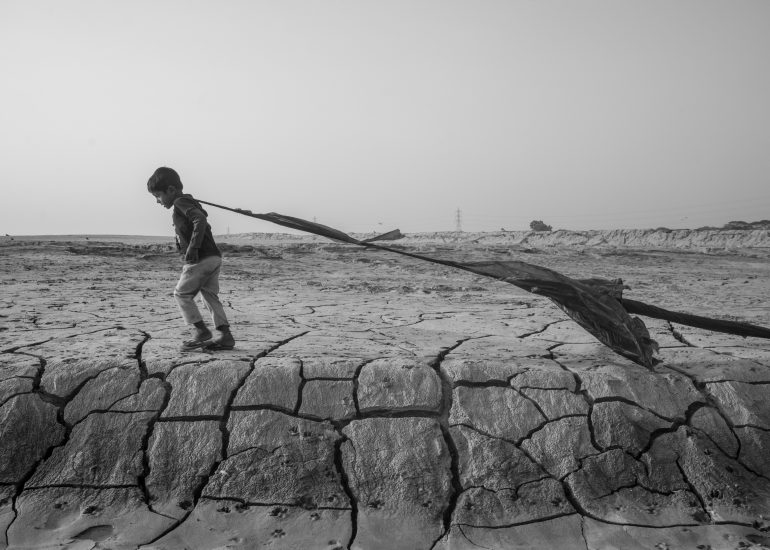
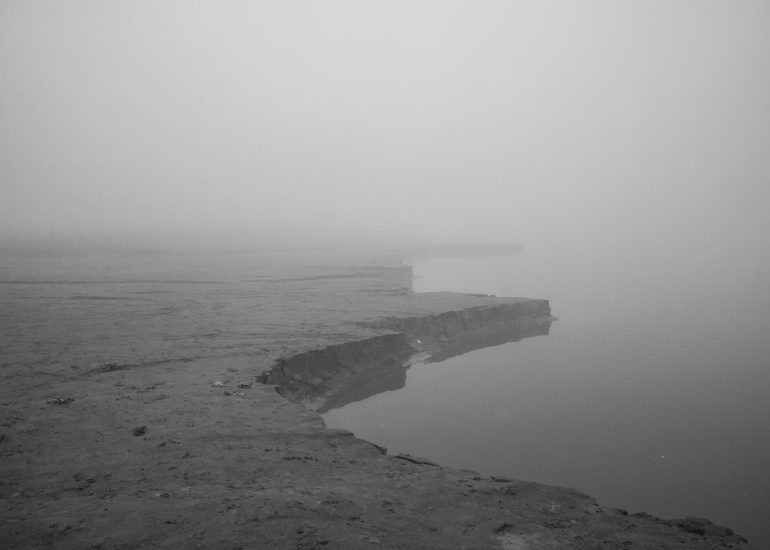
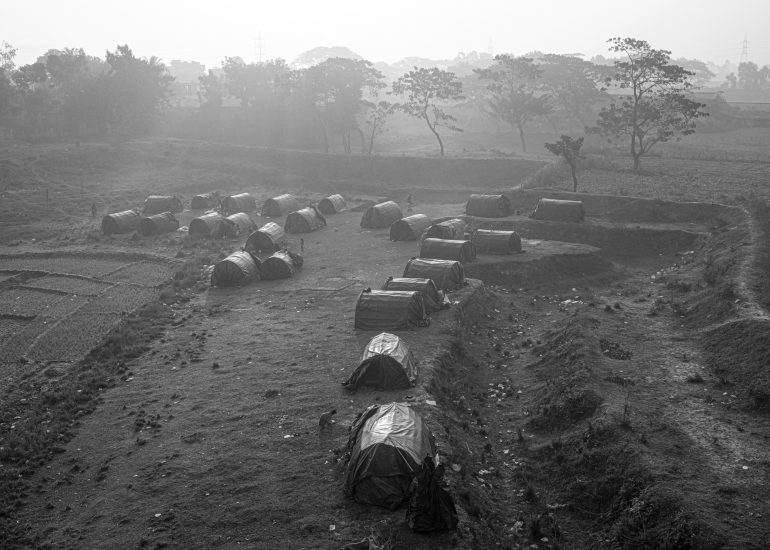
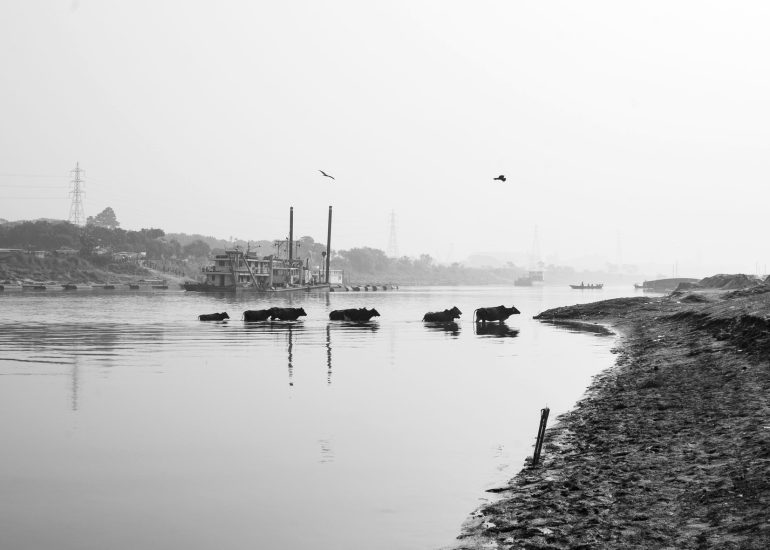
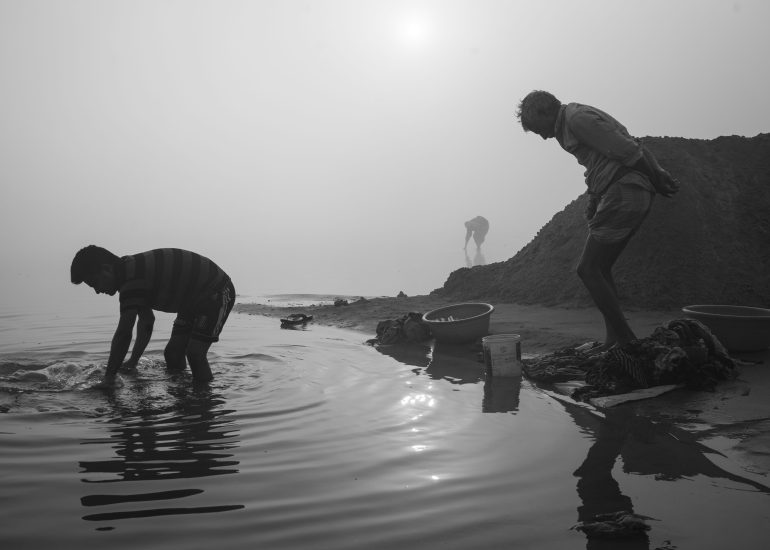
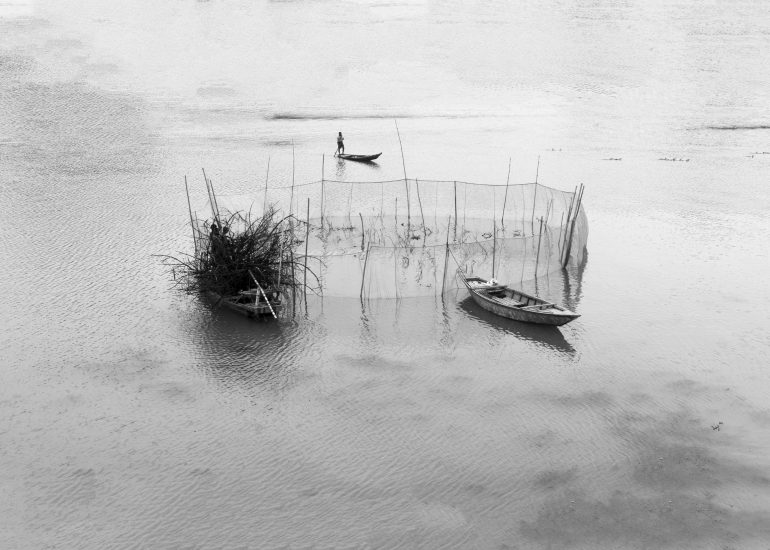
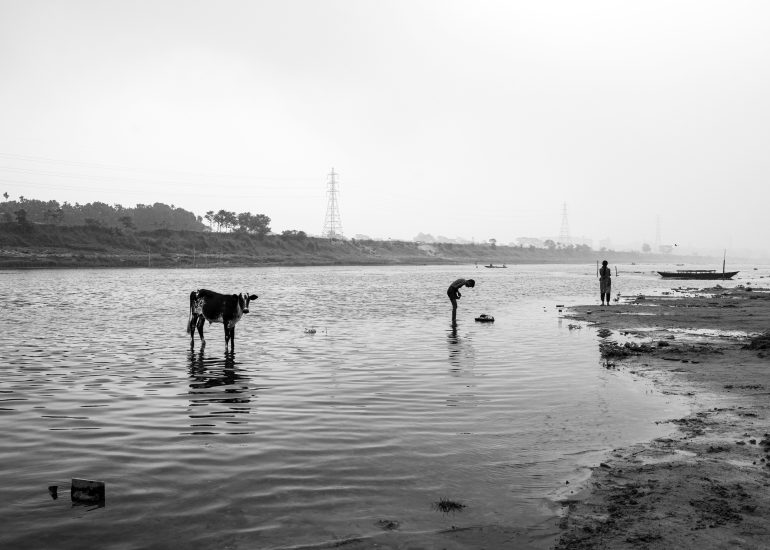
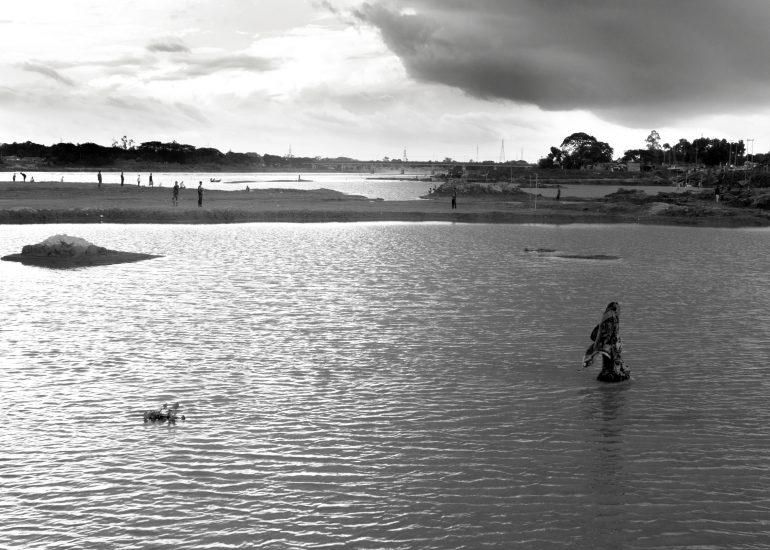
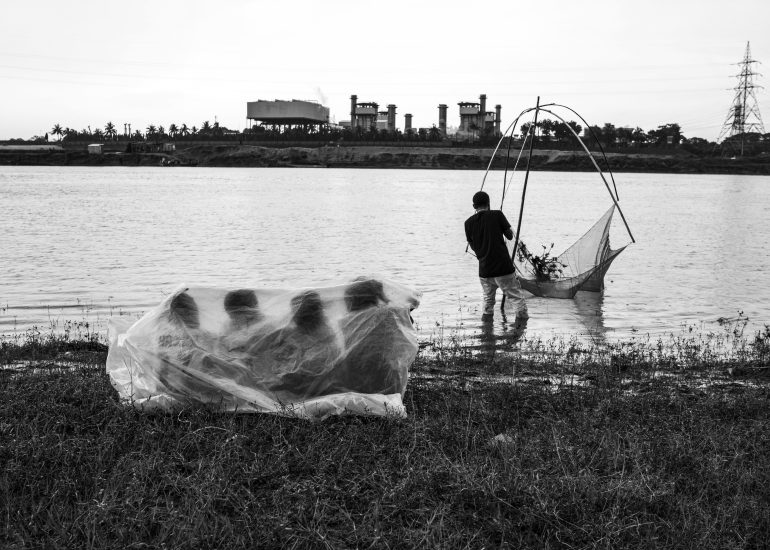
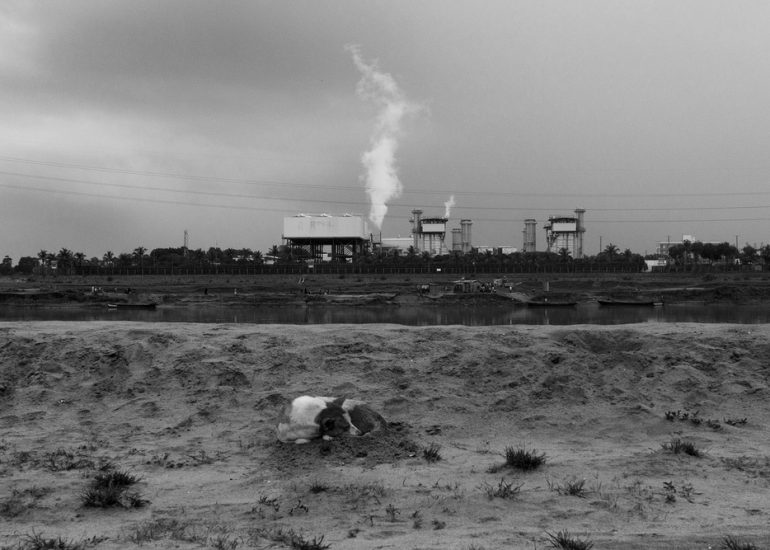
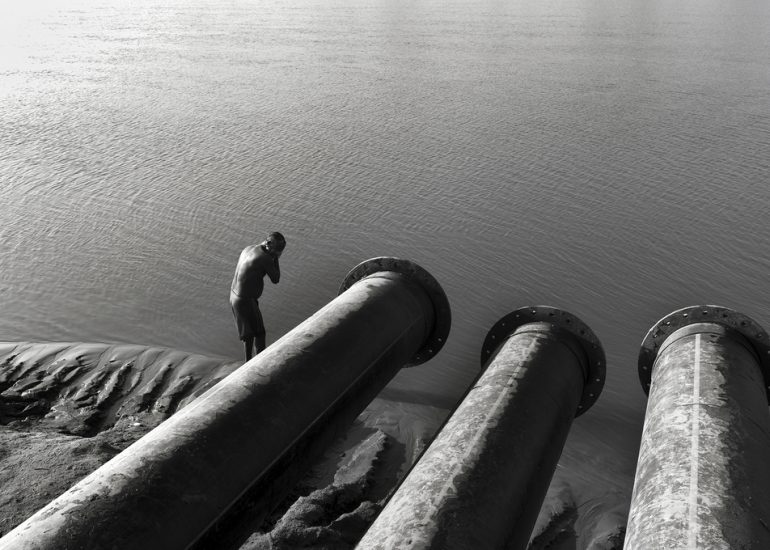
The political decisions and human activities have had a devastating impact on the Brahmaputra's ecosystem. The essay will showcase the loss of biodiversity, deforestation, soil erosion, and water pollution that have plagued the river basin. The visual narratives will depict the decline of fish populations, the degradation of wetlands, and the shrinking of the river's floodplain.
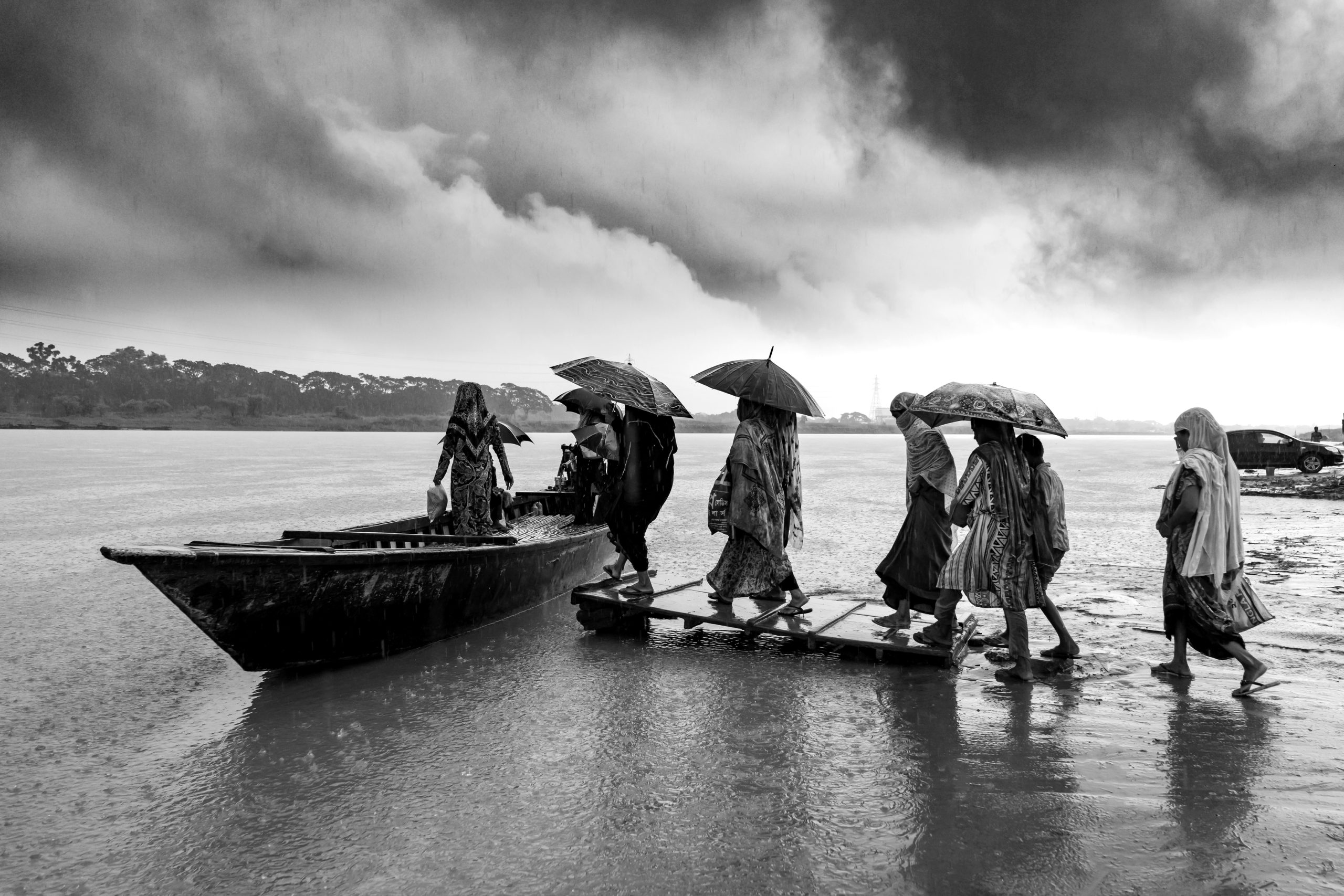
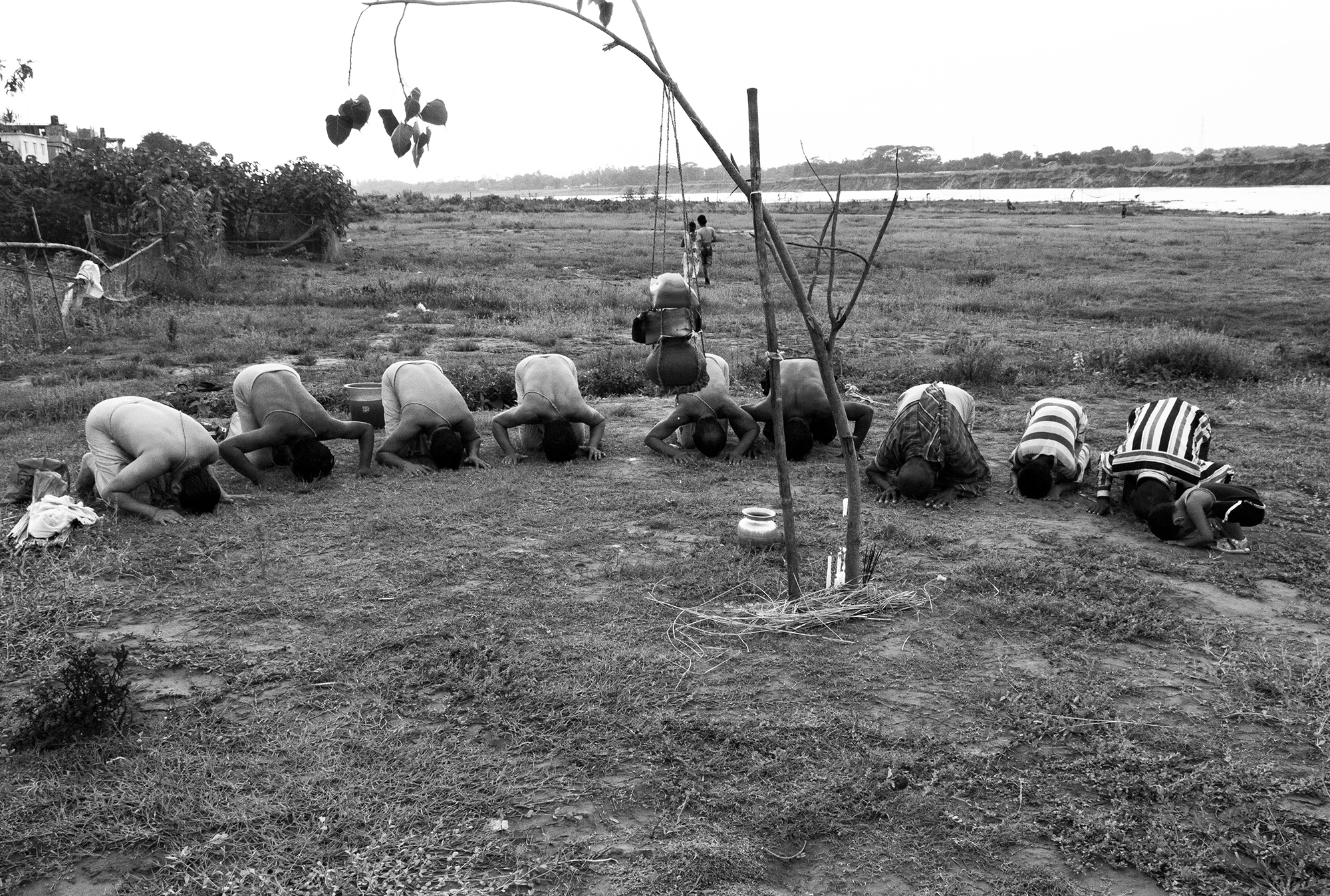
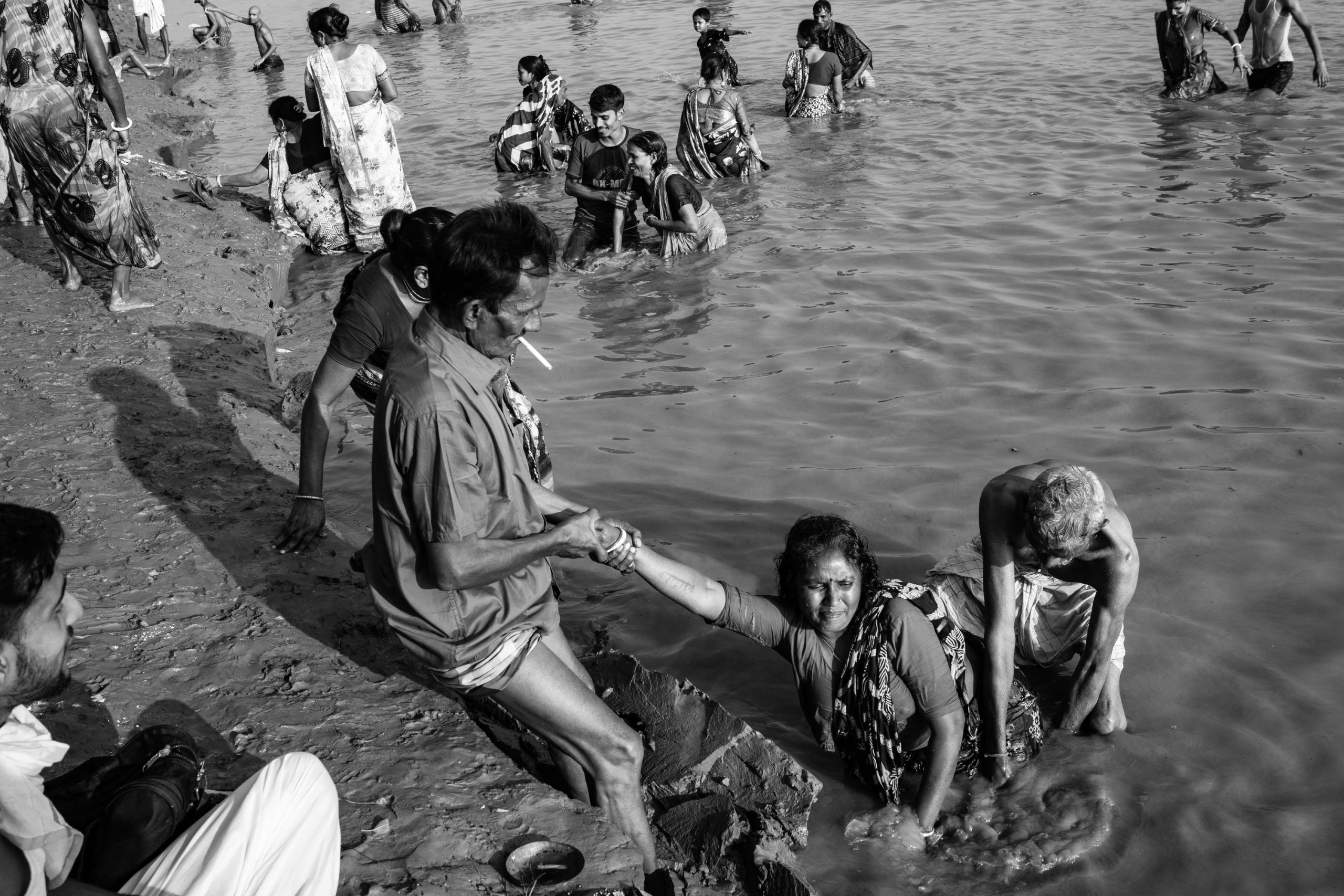
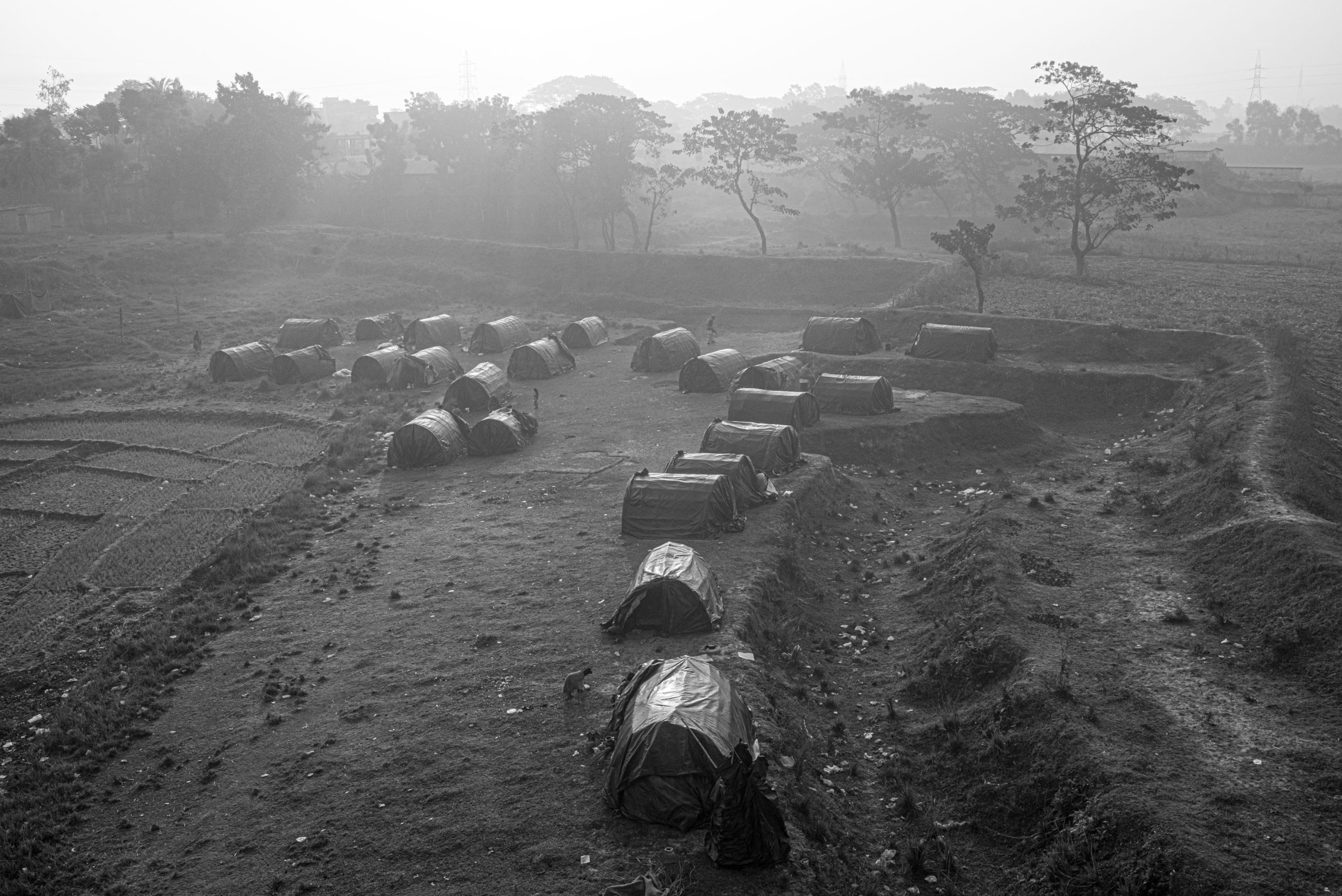
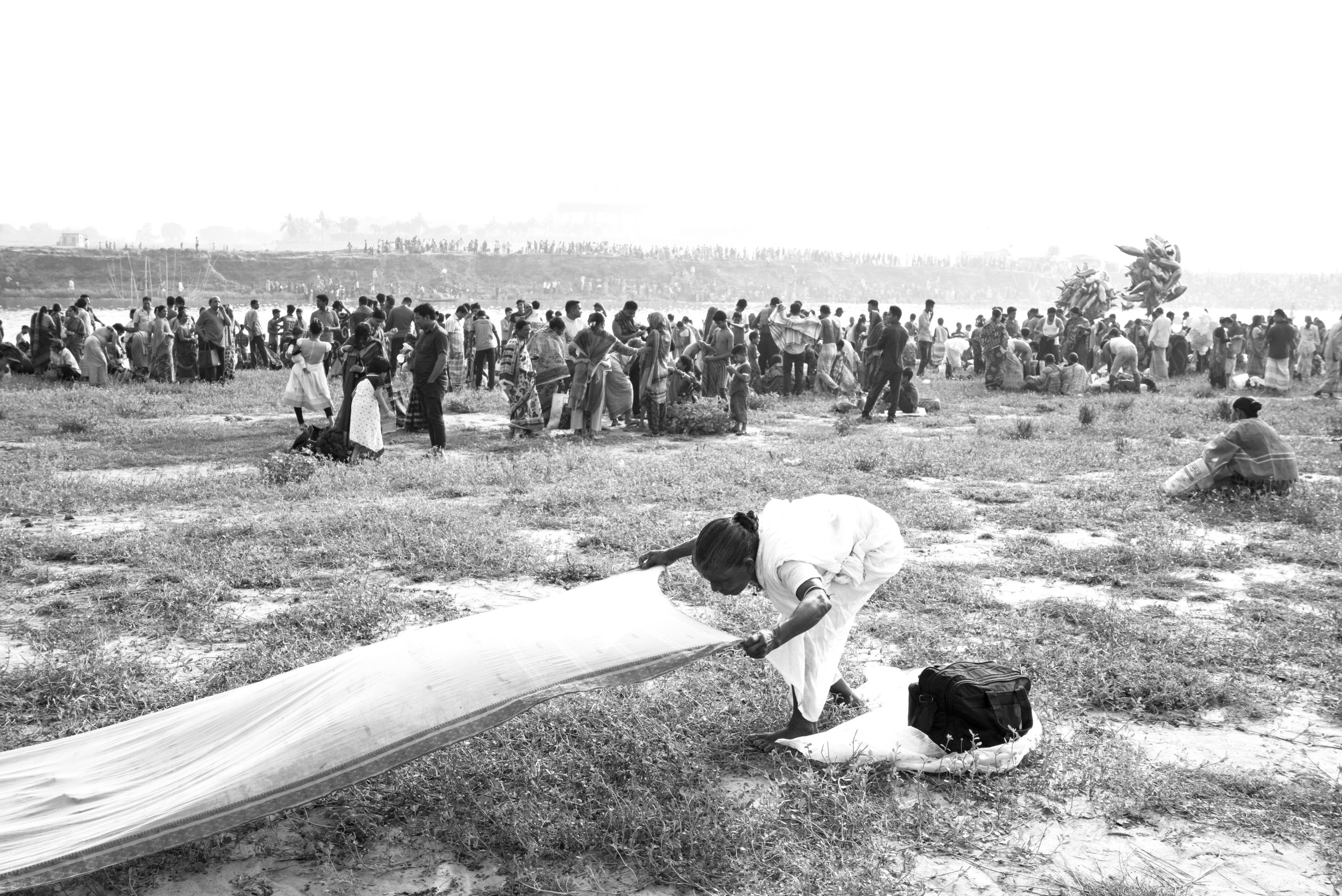
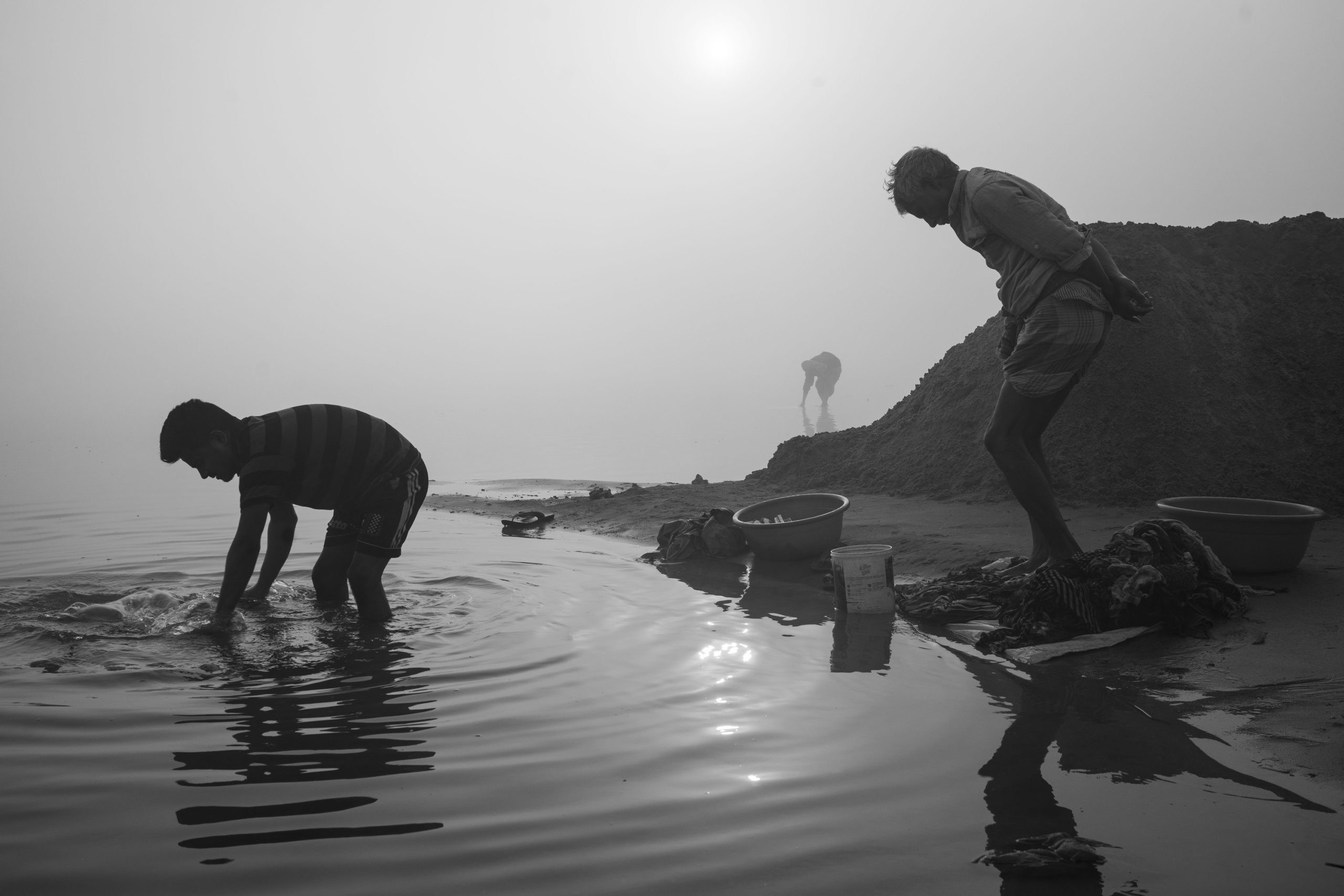
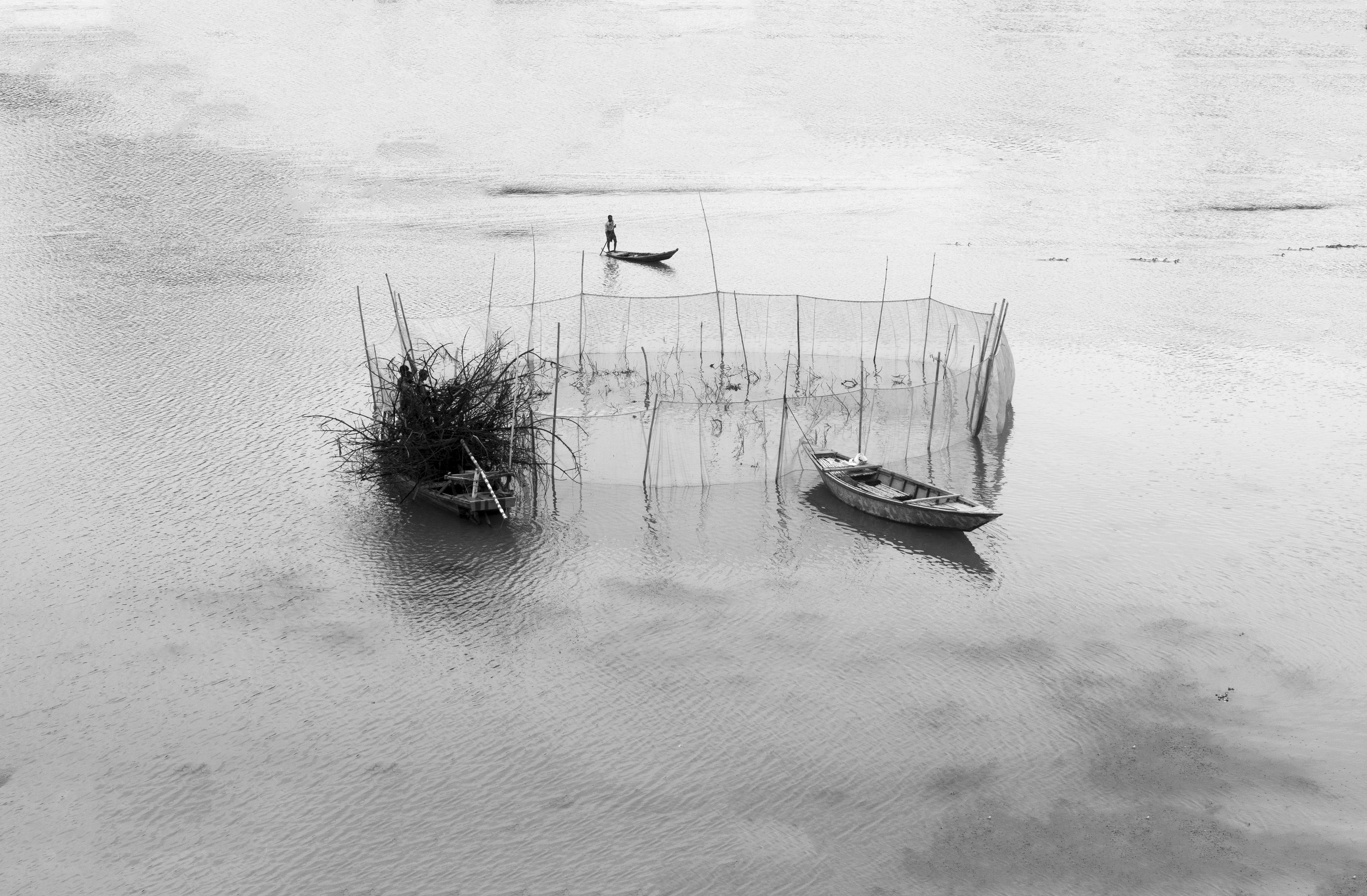
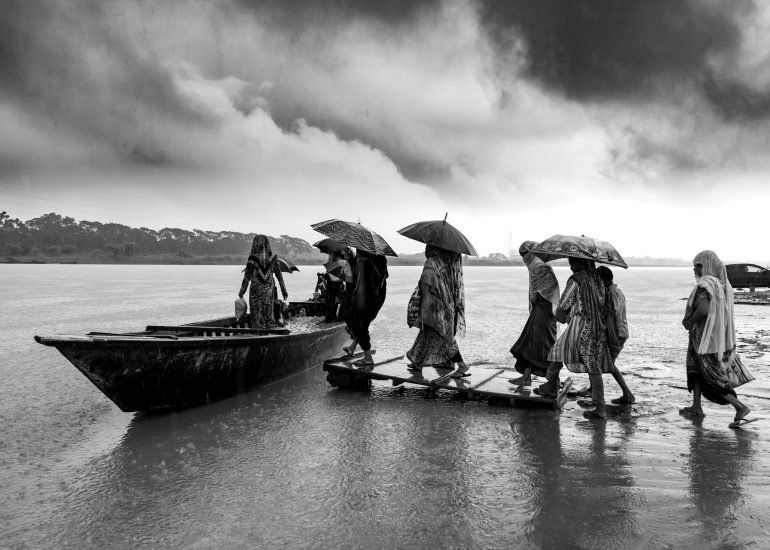
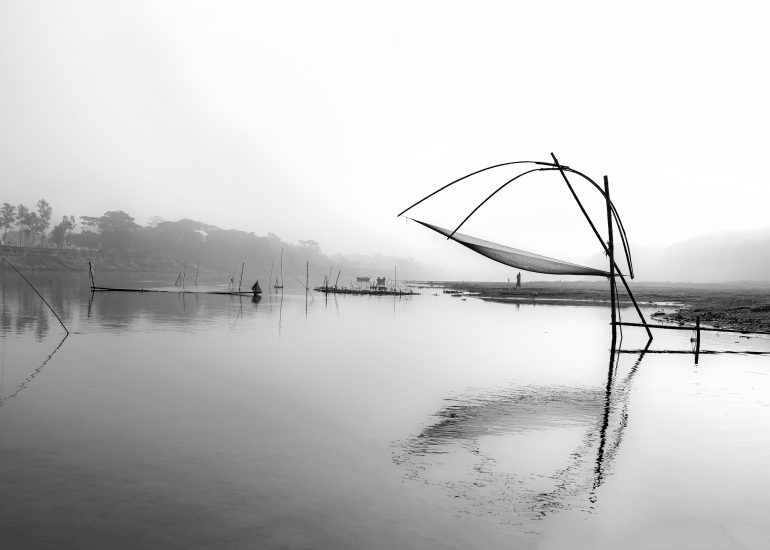
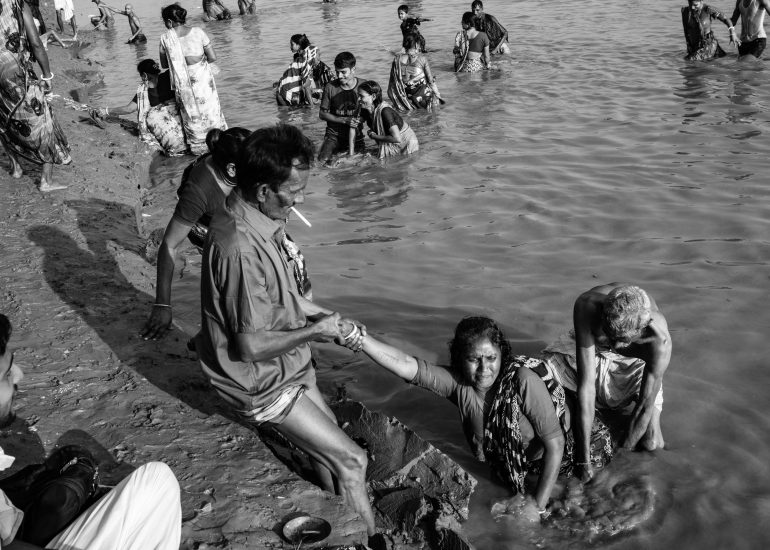
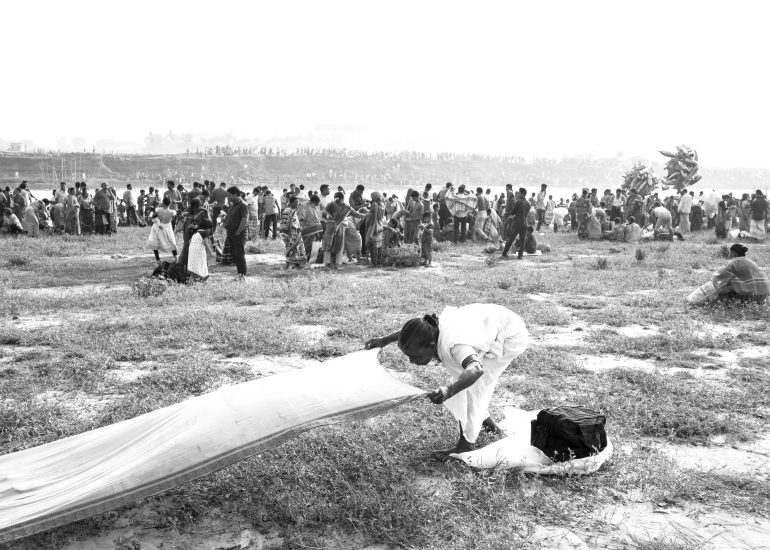
The environmental crisis in the Brahmaputra has far-reaching social and economic consequences. The essay will portray the plight of the riverine communities that rely on the river for their livelihoods, such as fishermen, farmers, and boatmen. The loss of fish stocks, the degradation of agricultural land, and the displacement of communities are some of the pressing issues that will be highlighted.
The long-term goal of this photo essay is to advocate for the conservation and sustainable management of the Brahmaputra River. By visually documenting the crisis, the essay aims to mobilize public opinion and pressure policymakers to take decisive action. The essay will propose solutions, such as transboundary cooperation, sustainable water management practices, and community-based conservation initiatives.